
 EMA leverages technology to uncover paint-coating manufacturer emitting toluene at 16 times the legal limit; NT$59 million in illegal gains confiscated
The Central Center of Environmental Management of the Environmental Management Administration (EMA), Ministry of Environment, used smart analysis and monitoring to identify a large building materials coating manufacturer in Taichung City that had improperly emitted volatile organic compounds and underpaid air pollution control fees. The case was referred to the Taiwan Taichung District Prosecutors Office for investigation. The investigation was recently concluded, and three defendants, including the corporate entity, were indicted for false reporting under the Air Pollution Control Act and obtaining unlawful gains through fraud under the Criminal Code. Prosecutors also petitioned the court to confiscate more than NT$59 million in illegal gains.
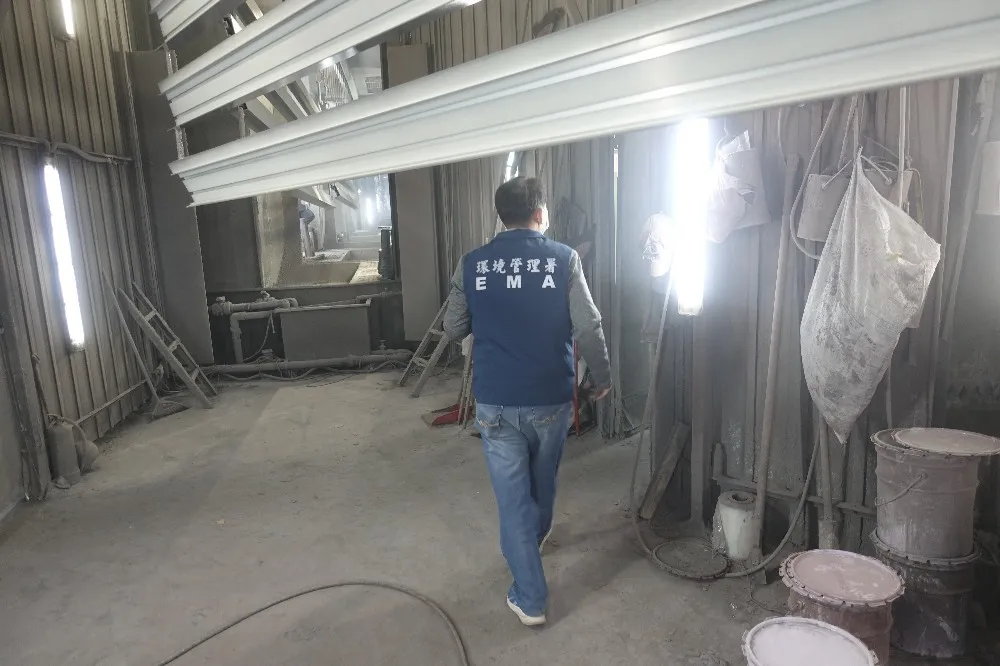
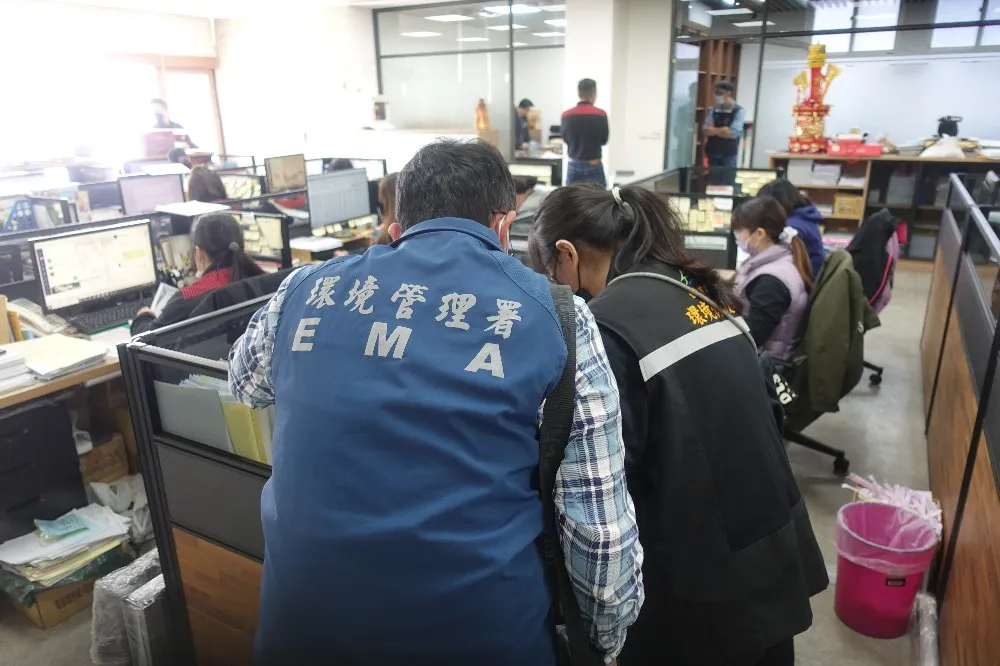
Intelligent environmental governance enables precise enforcement against violations. The Central Center of Environmental Management cross-referenced and analyzed big data from the Air Quality Sensor Internet of Things network, business permit information, and smart monitoring systems, revealing that a building materials coating manufacturer in Dajia District, Taichung City had deliberately underpaid air pollution control fees and emitted air pollutants in excess of regulatory standards. The case was referred to the Taichung District Prosecutors Office, where Prosecutor Hung Ming-hsien directed the Aviation Investigation Office of the Ministry of Justice Investigation Bureau. A task force comprising personnel from the Central Center of Environmental Management, the Taichung City Environmental Protection Bureau, and other agencies was formed to conduct the investigation. Subsequently, a joint enforcement operation involving prosecutors, environmental protection authorities, and investigators uncovered that the company had for an extended period intentionally underreported the quantities of raw materials used in its manufacturing processes, thereby reducing the amount of air pollution control fees owed. The conduct constituted violations involving false reporting under the Air Pollution Control Act and obtaining unlawful gains through fraud under the Criminal Code. On July 28, 2026, the Taichung District Prosecutors Office indicted three defendants, including the company, the individual actually in charge, and an employee, and petitioned the court to confiscate more than NT$59 million in illegal gains derived from underpaid air pollution control fees.
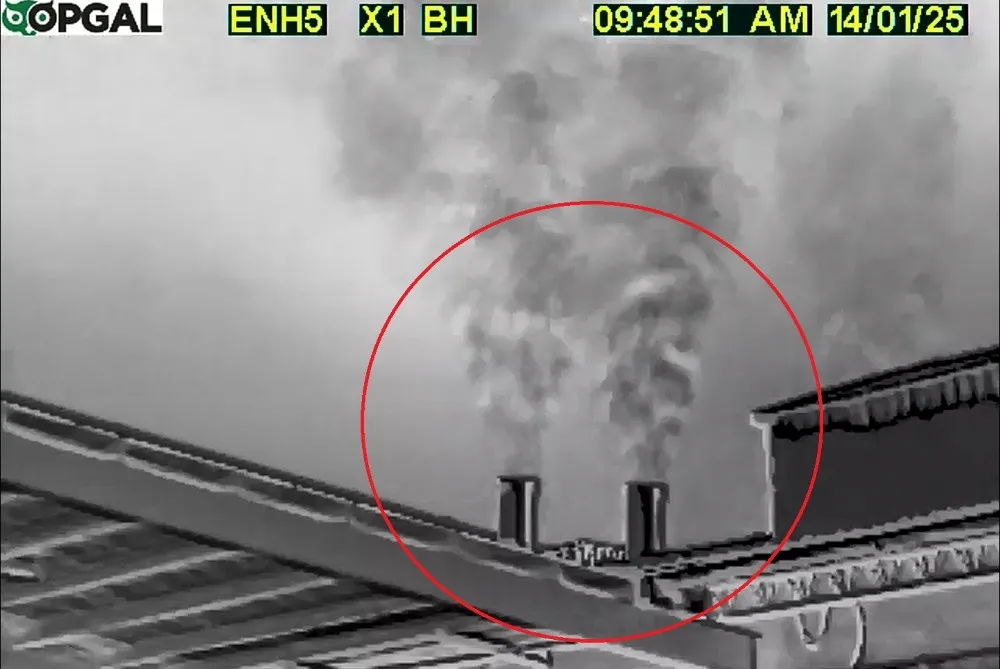
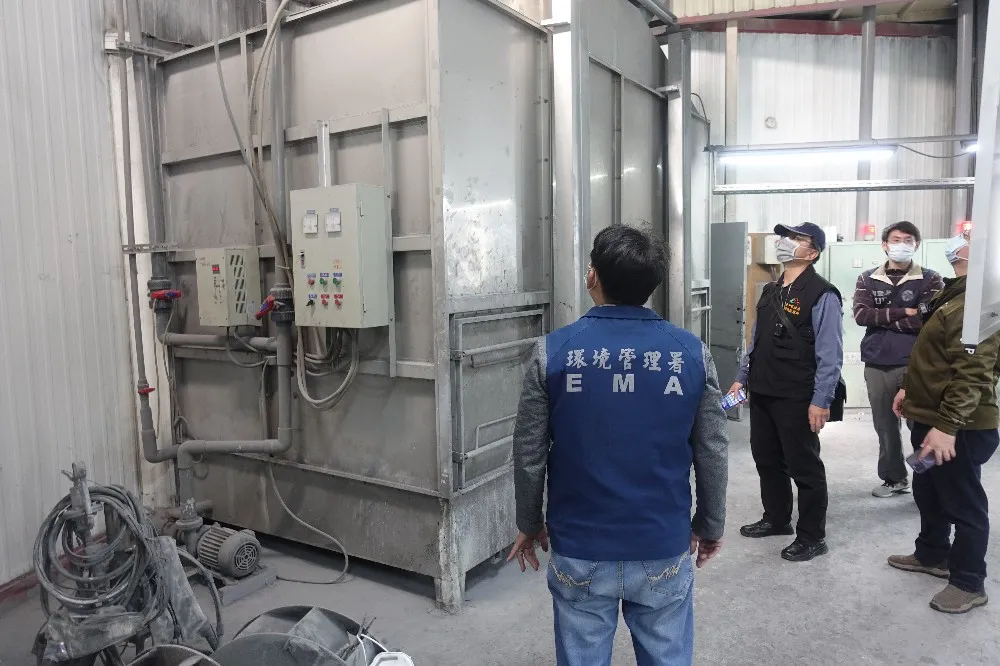
Failure to properly implement pollution controls and severe exceedances of exhaust emission standards resulted in substantial penalties. Investigators also found that, although the company had expanded its production capacity, it had failed to correspondingly upgrade its air pollution control equipment. During the enforcement operation, concentrations of hazardous air pollutants, including toluene and xylene, were measured in emissions from the company’s exhaust stacks. Testing showed a toluene concentration of 107 ppm, which was 16 times the applicable emission standard. The investigation also identified failures to effectively collect air pollutants and noncompliance with the operating conditions specified in the stationary pollution source operating permit. Accordingly, the Taichung City Environmental Protection Bureau imposed a penalty of NT$5.86 million pursuant to the Air Pollution Control Act.
Proper pollution prevention and honest reporting are the foundations of sustainable business operations. In recent years, the EMA has used technological tools, including scientific monitoring instruments and regional smart Air Quality Sensor Internet of Things networks, to support law enforcement actions. These efforts have uncovered numerous cases involving illegal bypass emissions and failure to properly treat exhaust gases. Working in cooperation with environmental protection agencies across counties and cities, the administration has also recovered more than NT$1.2 billion in underpaid air pollution control fees from businesses. The administration urges businesses to fulfill their corporate social responsibilities by implementing effective pollution control measures, properly collecting and treating air pollutants to protect air quality, and honestly reporting raw material usage and paying air pollution control fees in accordance with the law. Businesses that have underreported raw material consumption or underpaid air pollution control fees should proactively submit corrected declarations and make supplemental payments to local environmental protection agencies. They should not assume that violations will go undetected, as discovery may result in criminal liability and recovery of unpaid fees, making such conduct ultimately costly and counterproductive. The administration further emphasized that, through regional governance efforts, it will continue strengthening pollution source management and control in collaboration with local environmental protection agencies to prevent illegal activities and safeguard environmental quality.
- Data Source: Environmental Management Administration
- Publish Date: 2026-09-01
- Update Date: 2026-09-18