
 Related Topics
 Inspection and Enforcement
Pursuant to Article 67 of the Waste Disposal Act:
- For acts that violate this Act, the public may address detailed facts or submit proof to report to the local enforcement authority or competent authority.
- For the reporting in the foregoing paragraph, if the competent authority or enforcement authority verifies that it is true and imposes fines; as the fines reach specific amounts, it may allot a specific percentage of the actual collected fines as reward for the informants.
- The reporting and reward regulations in the foregoing paragraph shall be determined by the special municipality, county or city competent authority. 。
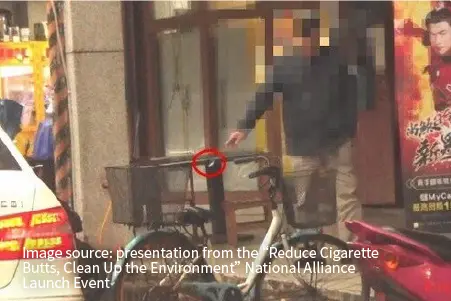
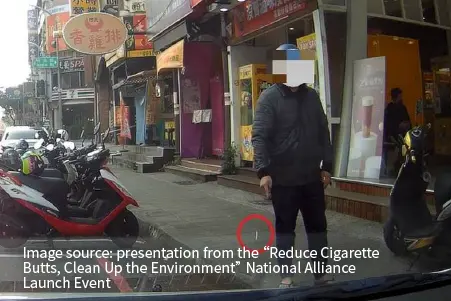
Pursuant to Article 27, Paragraph 1, Subparagraph 1 of the Waste Disposal Act, the following acts are strictly prohibited within designated clearance areas: the spitting of phlegm or betel nut juice or fiber or discarding of waste paper, cigarette butts, chewing gum, fruit or the skin, pit or juice thereof, or other general waste. In accordance with Article 50 of the same Act, any person committing one of the acts specified in Article 27 shall be fined between NT$1,200 and NT$100,000. If the violation continues after the end of the designated time period, then continuous daily fines shall be imposed.
The Ministry of Environment is promoting the "National Cigarette Butts Off the Ground Program" mainly through six major strategies and 21+N measures: "Changing Culture," "Source Reduction," "Inspection and Enforcement," "Environmental Cleanup," "Public-Private Cooperation," and "Strengthening Research." The aim is to keep our living environment clean and healthy and our ecological environment clean and sustainable.
The effort begins with cultural change, with the hope that smokers will develop good habits at the source: fully extinguishing cigarettes, not smoking while walking, and throwing cigarette butts into trash cans. Change is promoted by shaping social norms, encouraging mutual reminders, and working together in practice.
Taiwan's tobacco product sales in 2025 were about 36.5 billion sticks. If one-quarter of cigarette butts are littered, more than 9.1 billion cigarette butts may enter the environment each year. Discarded cigarette butts consist of three parts: residual tobacco, filters, and paper wrappers. Filters are made of cellulose acetate, a durable artificial plastic that does not biodegrade after being discarded in the environment and may take 10 years or longer to break down. Residual tobacco contains more than 7,000 harmful chemicals, including nicotine, arsenic, lead, copper, chromium, cadmium, and polycyclic aromatic hydrocarbons. The chemical mixture released contains toxic and carcinogenic substances. When these substances enter soil, water bodies, lakes, and oceans, toxins leach from cigarette butts, affecting the environment and marine ecosystems. Research has also shown that smoked cigarette butts and nicotine leachate can be lethal to fish. One cigarette butt in one liter of water can kill half the fish, allowing toxins to enter the food chain and harm both the environment and public health.
When cigarette butts are carelessly discarded, they can travel through drains or storm sewers, then through waterways and rivers to beaches or the ocean. They pollute the environment and are sometimes eaten by seabirds or marine mammals, posing an ecological threat comparable to plastic waste.
Cigarette butt litter remains common in daily environments, affecting city appearance and environmental quality while continuing to harm rivers, oceans, and ecosystems.


- Data Source: Division of Environmental Sanitation
- Publish Date: 2026-08-13
- Update Date: 2026-08-14