
 Taiwan and U.S. Join Forces on Resilient Soil and Groundwater Remediation to Enhance Natural Disaster Response
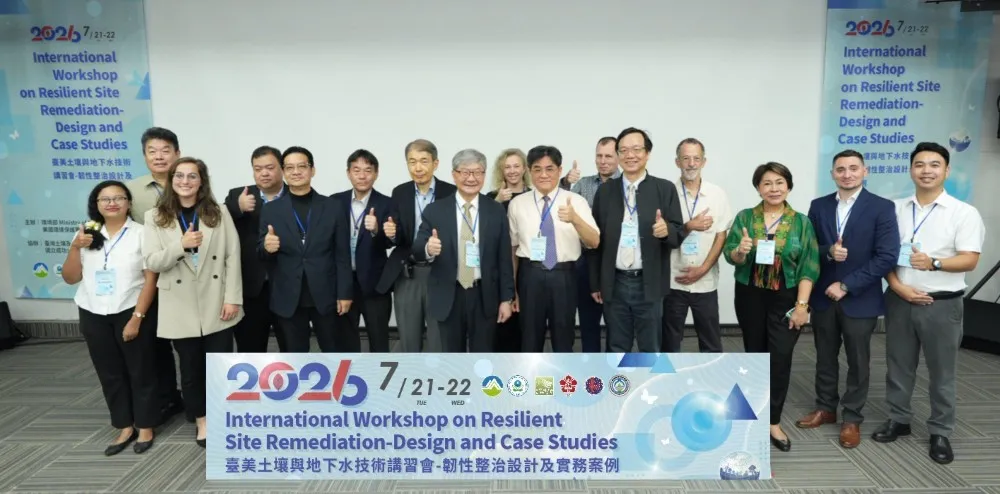
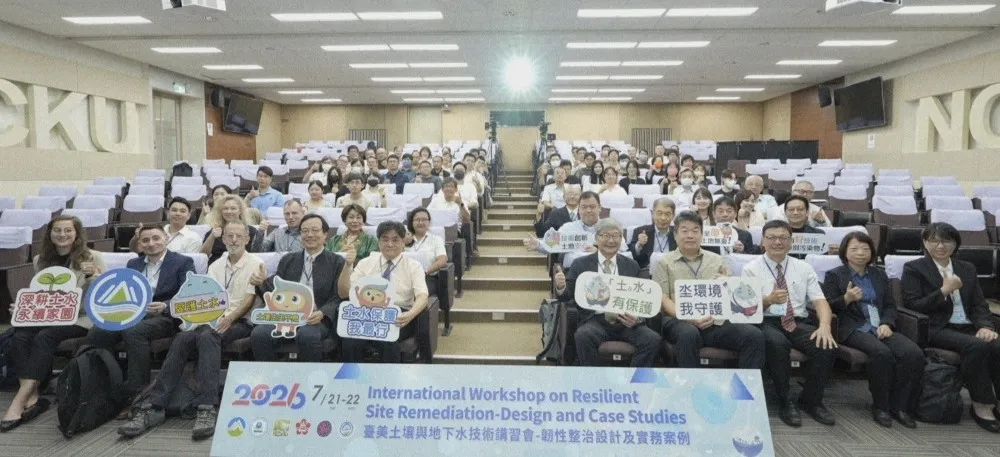
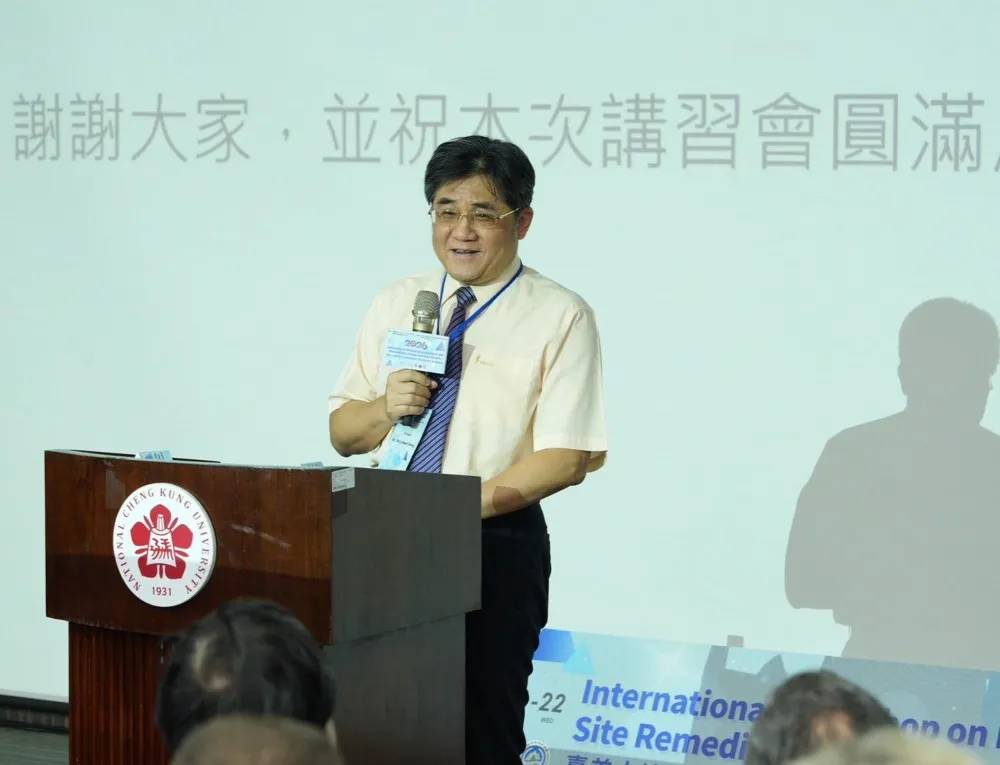
In its ongoing efforts to advance soil and groundwater pollution investigation and remediation technologies, Taiwan is actively aligning with international standards to strengthen its environmental management capabilities. From July 21 to 22, 2026, the Environmental Management Administration (EMA) of the Ministry of Environment, in partnership with the United States Environmental Protection Agency (USEPA), co-hosted the "2026 International Workshop on Resilient Site Remediation- Design and Case Studies" at National Cheng Kung University. The prestigious event brought together core experts from the USEPA and official representatives from eight member nations of the Working Group on Remediation for Soil and Groundwater Pollution of Asian and Pacific Region (ReSAG). This gathering successfully united domestic and international experts from government, academia, and industry to engage in deep exchanges on resilient site design under the pressures of natural disasters.
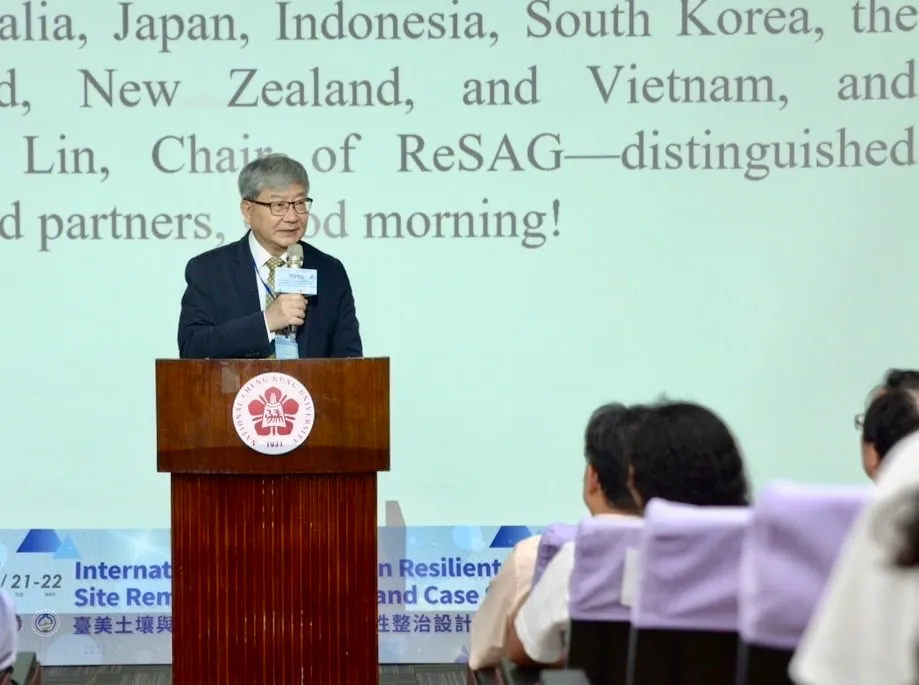
Deputy Minister Chih-Hsiu Shen of the Ministry of Environment emphasized in his opening remarks that, in the face of the dual challenges of natural disasters and environmental pressures, soil and groundwater remediation strategies must prioritize scientific innovation, sustainability, and resilience. "This workshop builds on the deep, long-standing partnership between Taiwan and the U.S., linking forward-looking global expertise with local remediation strategies," Shen noted. "We hope that through the ReSAG alliance, Taiwan and the Asia-Pacific region will continue to bolster our collective resilience against environmental pollution."
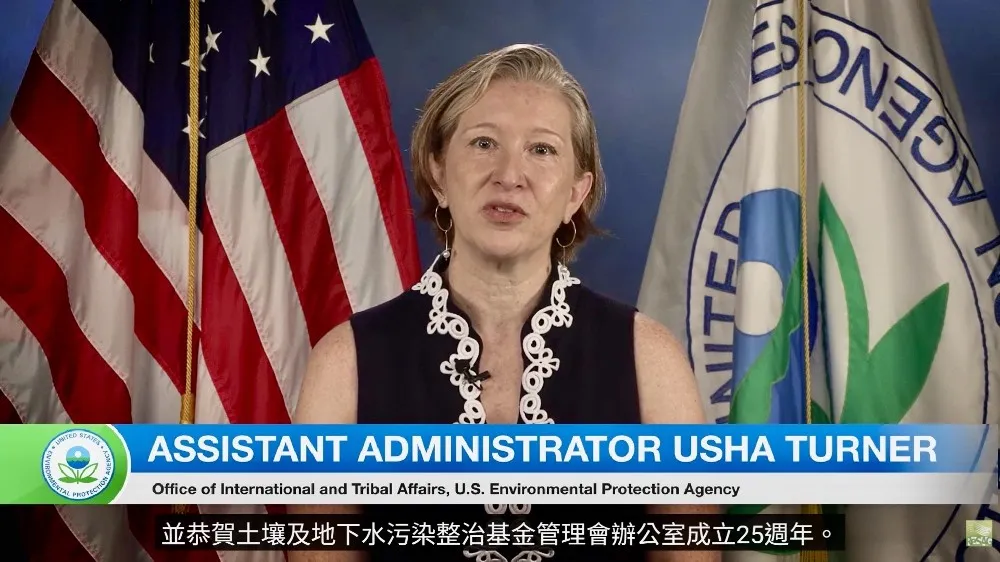
Usha Turner, Assistant Administrator for the Office of International and Tribal Affairs at the USEPA, highlighted in her remarks that Taiwan’s Ministry of Environment has been a steadfast, long-term partner of the USEPA since 1993. She noted that co-hosting international workshops remains a cornerstone of this close cooperation, providing a vital platform for exploring emerging issues and innovative technologies. Assistant Administrator Turner also extended her warm congratulations on the 25th anniversary of the EMA's Soil and Groundwater Pollution Remediation Fund Management Board, reaffirming the USEPA's commitment to standing shoulder-to-shoulder with Taiwan and its Asia-Pacific partners to safeguard human health and the environment.
The robust, two-day agenda featured several key highlights:
- Day 1: Focus on Resilient Design - U.S. experts analyzed sustainable, resilient remediation mechanisms for arsenic in groundwater, innovative remediation technologies for mining sites, and the impact of hurricanes on cleanup effectiveness and waste containment systems.
- Day 2: In-Depth Case Studies - Participants delved into iconic cleanup projects, including those of the American Cyanamid Co., Iron Mountain Mine, LCP Chemicals, and Wyckoff Co./Eagle Harbor.
Taiwan’s Local Experience - Professor Zeng-Yei Hseu from National Taiwan University shared practical applications of soil carbon sequestration, while an EMA representative presented the development and future outlook of Taiwan’s resilient remediation practices.
The EMA emphasized that as the chair of the ReSAG Working Group, Taiwan has long been dedicated to collaborating with Asia-Pacific nations to promote pollution prevention, site management, and capacity building. Moving forward, the EMA will continue to deepen its partnership with the USEPA and ReSAG member countries. By integrating Green, Sustainable, and Resilient Remediation (GSRR) technologies with proactive prevention strategies, Taiwan aims to comprehensively elevate its soil and groundwater protection capabilities to build a sustainable future.
- Data Source: Environmental Management Administration
- Publish Date: 2026-07-21
- Update Date: 2026-08-21