
 Coordinating food waste disposal contingencies for African swine fever prevention
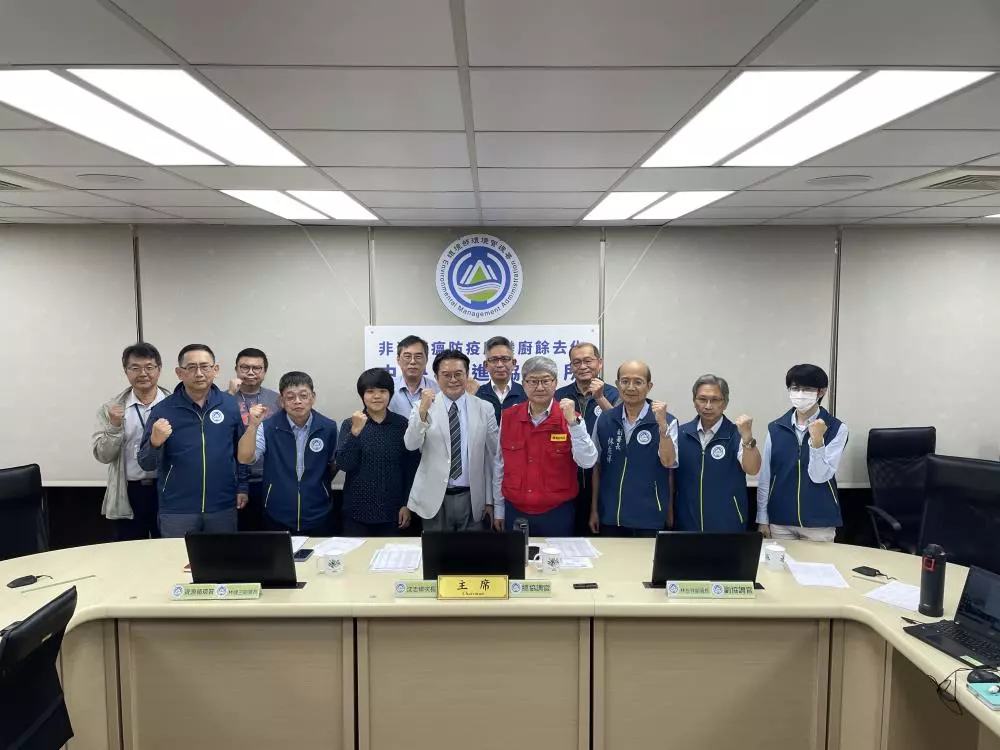
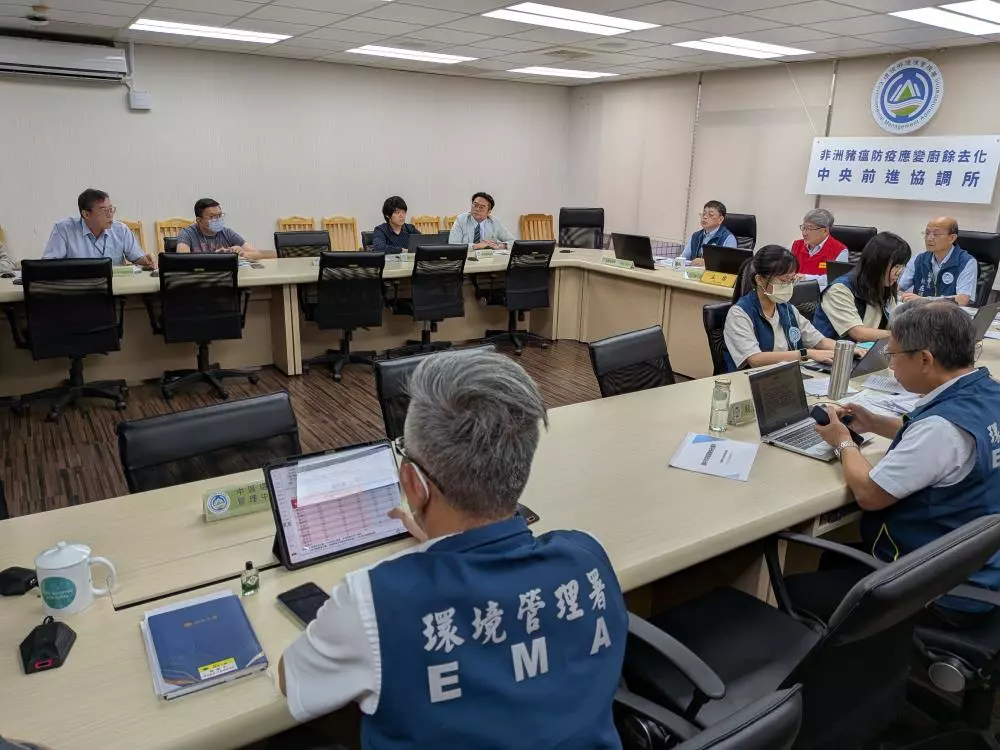
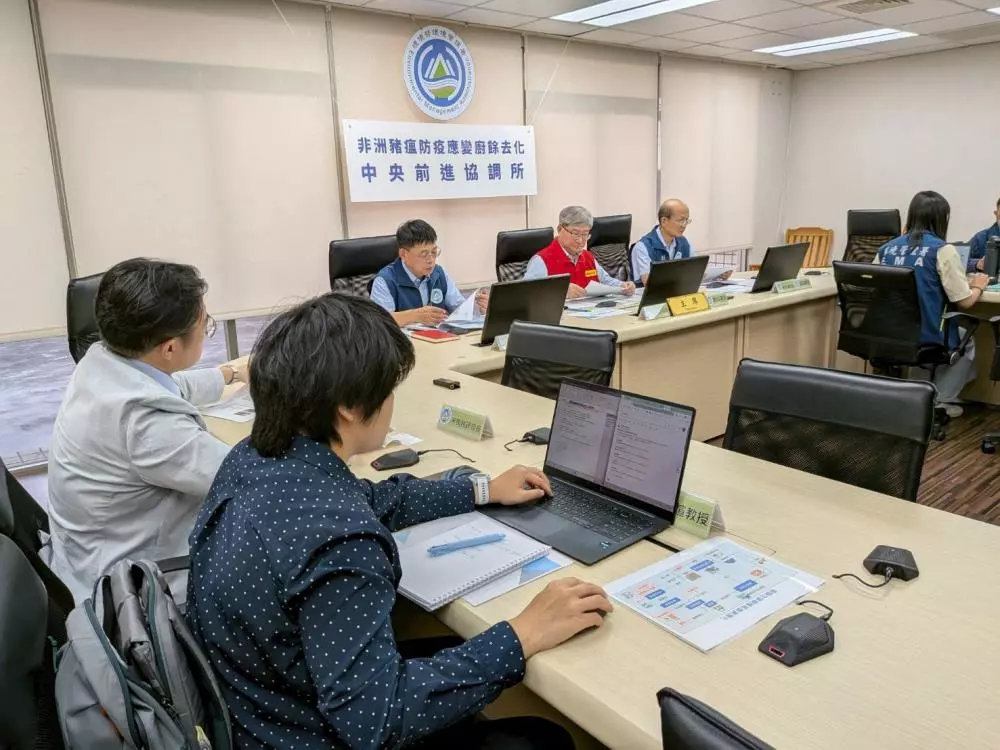
African swine fever prevention requires immediate adjustments to national food waste collection and disposal systems during the ban on feeding food waste to pigs. Delayed or improper processing compromises environmental hygiene and elevates epidemic risks. To ensure policy implementation and real-time monitoring, the “Central Forward Coordination Center for Food Waste Disposal in Response to African Swine Fever Prevention” has been established. As the central government's frontline platform for overall planning and coordination, it strengthens Taiwan's capacity for managing food waste and responding to epidemic prevention and control.
The Center has been established within the administration. It conducts daily meetings with county and city governments as a command and coordination hub. Key functions include:
- Integrate national waste management capacity: assess food waste amount, collection status, and facility load to ensure sufficient processing capacity.
- Provide local support: offer cross-county and cross-departmental coordination for short-term collection, treatment, and control needs.
- Develop supporting measures: implement preventative protocols at treatment sites, such as installing electric fences or protective netting at landfills to prevent wildlife from accessing food waste.
- Expert involvement in planning: develop long-term strategies for composting, energy recovery, and black soldier fly utilization to improve resource recovery rates.
Central coordination combined with local implementation forms a stabler governance structure.
Daily public practices remain unchanged. Food waste is still sorted and handed over to sanitation teams in the same way, without the need for self-processing or finding alternative disposal.
The difference is that the back-end management and flow have been comprehensively strengthened by the government to ensure that food waste no longer goes to pig farms and is safely and properly disposed of. Local governments are directed to emphasize these requirements to the public, restaurants and businesses:
- Drain water from food waste before disposal to minimize processing load.
- Develop the habit of cherishing food: "cook only what you can eat at home, and order only what you can eat when eating out," reducing food waste at the source.
The Central Forward Coordination Center lays the foundation for a strengthened food waste management system. Real-time coordination and public cooperation ensure safe disposal during the epidemic prevention period, continuously moving towards resource recycling and sustainable use, safeguarding environmental hygiene, public health, and quality of life.
- Data Source: Division of General Waste Management
- Publish Date: 2025-11-03
- Update Date: 2026-06-03