
 Flushing toilet paper: moving toward a new era of restroom culture
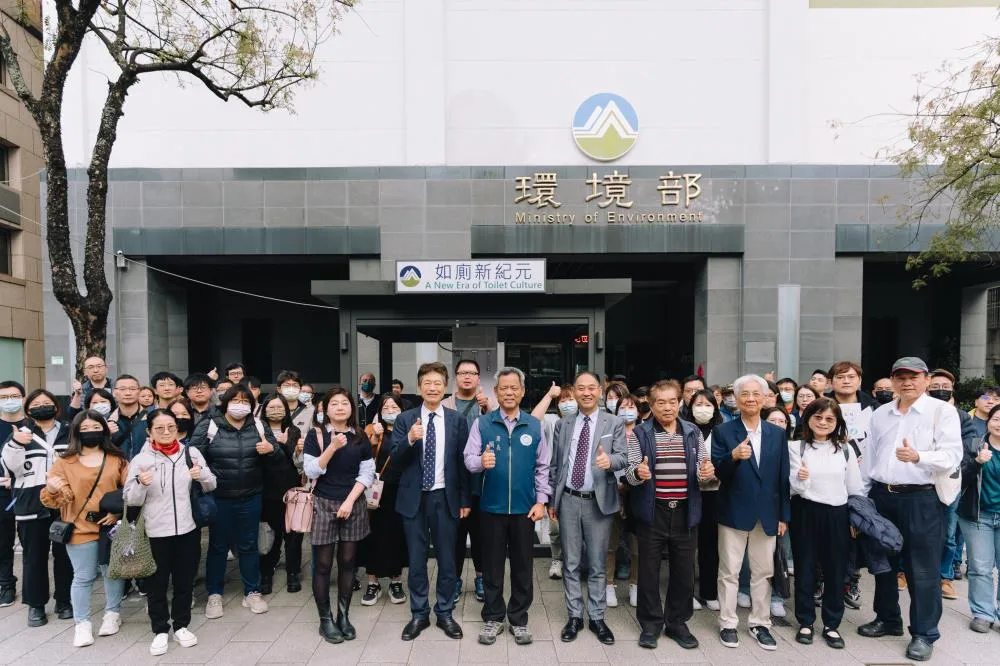
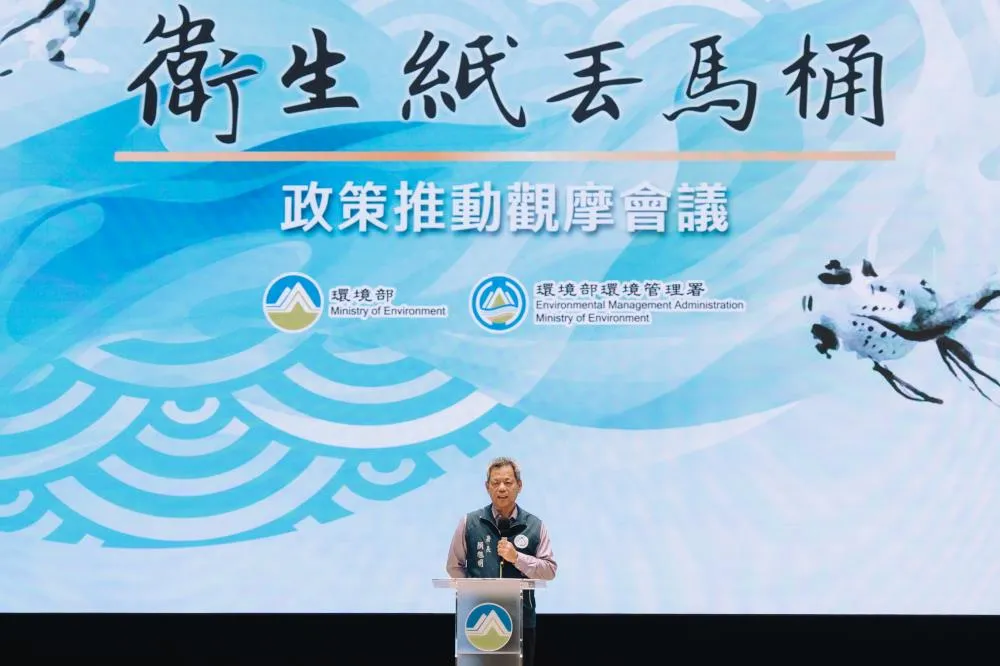
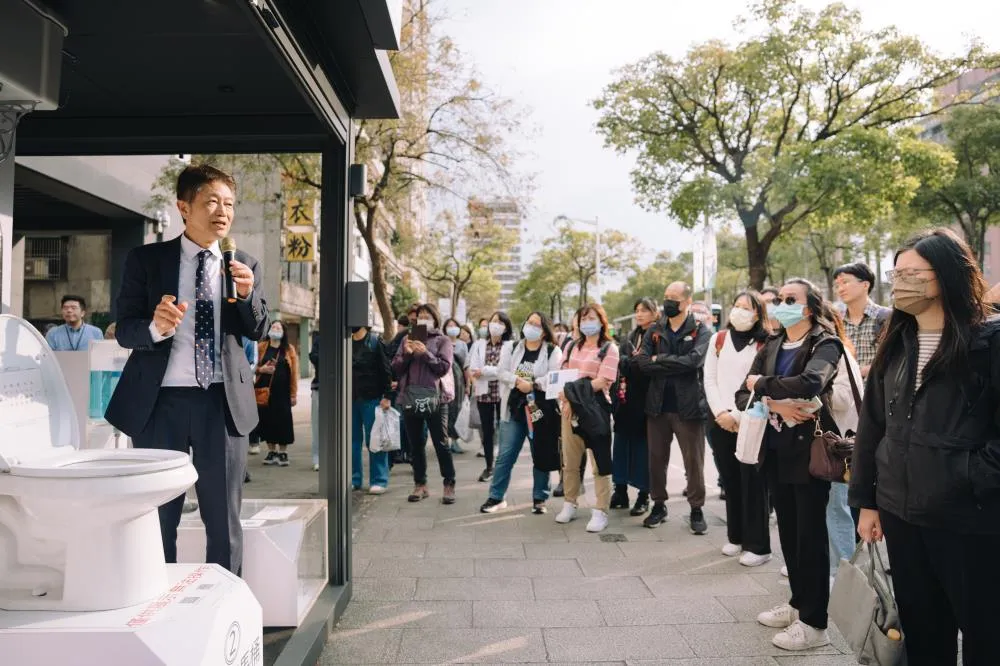
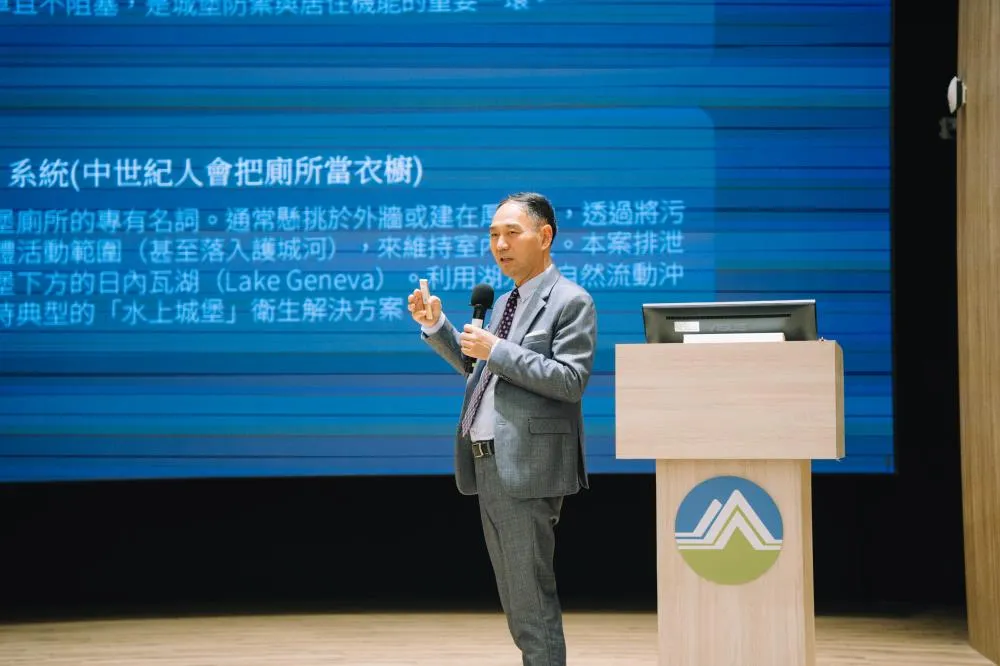
The Environmental Management Administration of the Ministry of Environment (MOENV) held the "Toilet Paper Flushing Policy Promotion and Observation Event" on March 17. President Kuo Chi-tz of the Taiwan Institute of Property Management shared common patterns of pipe and septic tank blockages to dispel the myth that flushing toilet paper causes clogging. Managing Director Tsai Chien-sheng of the Friends of Daan Forest Park Foundation explained the design concept of the "Heart Stage for Environmental Protection — A New Era of Toileting" exhibits and led a guided tour. Central ministries, local environmental protection departments and bureaus, and public and private restroom management units participated to improve the quality of restroom environments in Taiwan.
People in Taiwan have long been accustomed to putting toilet paper in trash cans. This can generate odors, attract flies, and increase the risk of pathogen transmission, significantly affecting restroom quality and Taiwan's tourism image. The Ministry of Environment actively promotes the "Flush Toilet Paper" policy to reform restroom culture, guide the public in establishing proper hygiene habits, and create better restroom spaces.
In response to concerns that flushing toilet paper causes blockages, the MOENV said commercially available toilet paper is made of short fibers and has high dispersibility, meaning it disperses rapidly in water. Toilet cross-section models show that internal traps (S-traps) have a diameter of approximately two inches, while downstream sewage pipes have a diameter of four inches. Combined with the dispersible characteristics of short fibers, toilet paper can pass through smoothly under normal flushing conditions when used in appropriate amounts.
Toilet and pipe blockages are commonly caused by non-dispersible items, such as facial tissues, wet wipes, paper towels, menstrual products (sanitary pads), diapers, hair, stockings, food waste, rags, toys, plastics, condoms, and cigarette butts. The MOENV urges the public not to throw non-dispersible items into toilets, as doing so can clog pipes and damage septic tanks. When buying toilet paper, consumers should also look for packaging labels or icons indicating that the product disperses easily in water and can be flushed after appropriate use. Such products have qualified dispersibility and are safe to flush.
Improving restroom quality depends on changing behavior from the heart and establishing a dignified restroom culture. The event dispelled the myth that toilet paper causes blockages when flushed. Restroom management units are expected to implement the policy and guide the public toward good restroom habits to create comfortable, safe, and dignified environments. Six different toilet equipment styles are displayed on the sidewalk at the MOENV main entrance until March 23, 2026. The public is invited to observe them in person and learn why flushing toilet paper does not cause blockages.
- Data Source: Environmental Management Administration
- Publish Date: 2026-03-17
- Update Date: 2026-06-15